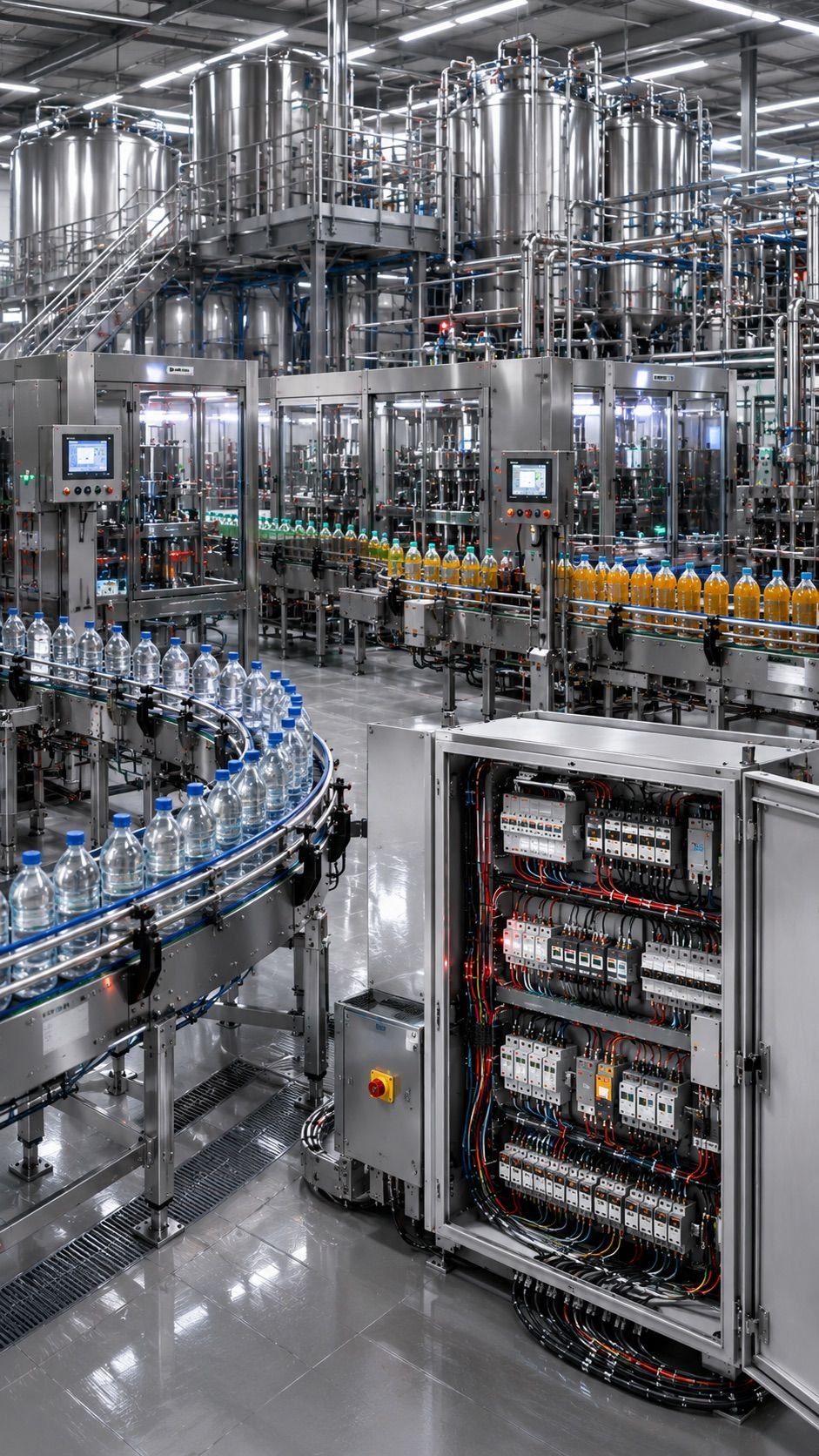
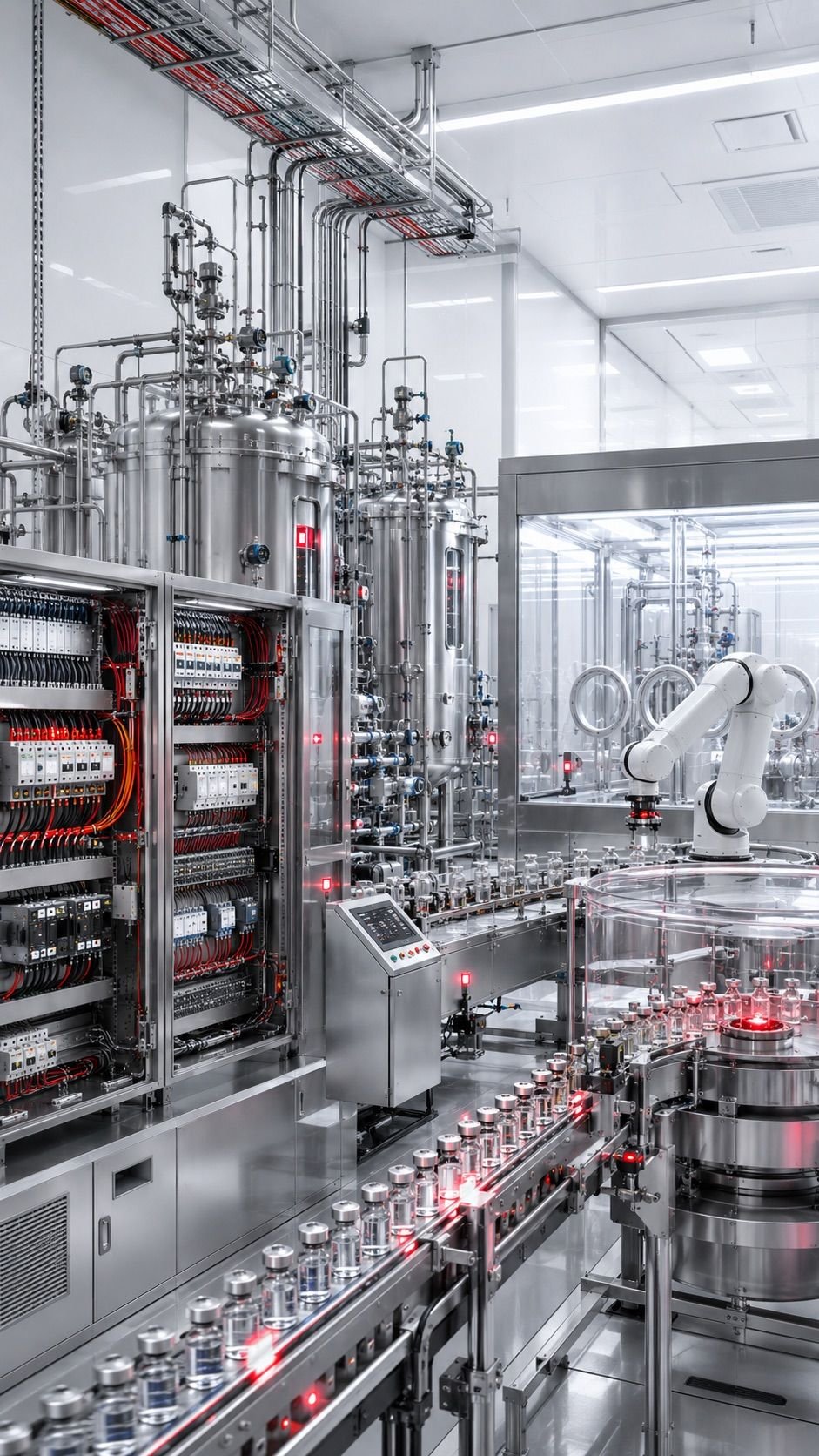
What connects these industries is not the technology but the rhythm. A filling line, a reactor, a blast furnace: in all three an unplanned stop costs more than the work that fixes it. That changes electrical design fundamentally. The most elegant solution does not win — the one that can be carried out in four hours of night shift and is documented by the next morning does.
The second common denominator is the burden of proof. In chemicals the documentation is part of the operating licence, in pharmaceuticals every change needs a traceable trail, in food production cleanability dictates the design. Anyone planning here plans against a framework fixed before the first line is drawn — and has to know it before starting.
We therefore work in the structure already present at your site and continue existing systems rather than replacing them. That keeps the plant maintainable beyond the end of the project, including for maintenance staff who never spoke to us.